How to Use a Developer Conference Archive
A field guide for turning old session pages, track lists, and video indexes into practical learning paths.
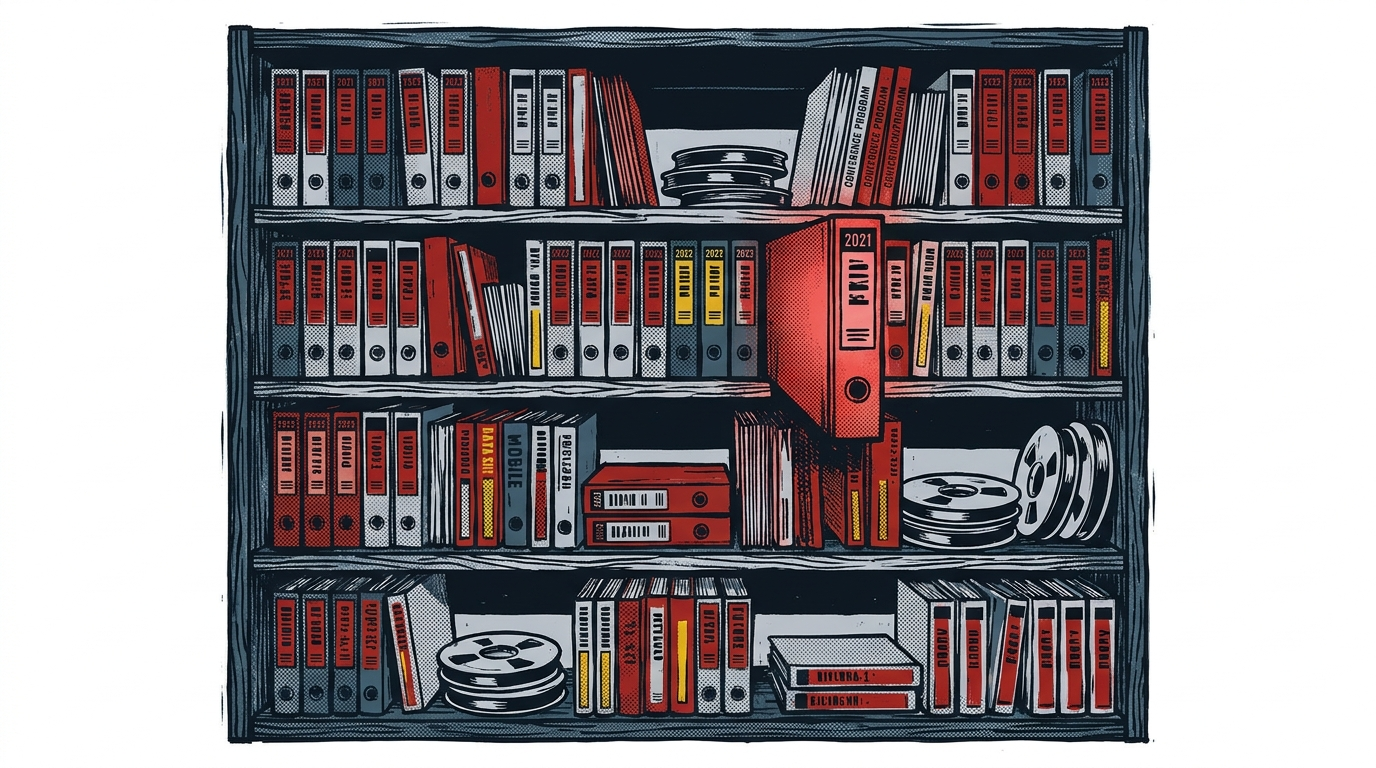
Old conference sites can look frozen in time: track pages, speaker lists, video indexes, sponsor blocks, and session titles written for a specific year. Used well, those pages are still useful. They show how practitioners grouped problems before the current vocabulary took over.
The revived Chicago Coder Conference site treats the archive as a field manual. Each legacy page should answer two questions: what did this page represent in the original event, and how should a developer interpret the topic now?
Start With Tracks
Tracks are the fastest way to understand a conference’s mental model. A Java track, DevOps track, security track, or cloud track tells you what the organizers believed deserved focused attention.
When reading an old track page, list the durable themes. For DevOps, that may be automation, feedback, ownership, and reliability. For Java, it may be maintainability, runtime choices, and architecture. The tool names may age, but the pressure behind the sessions often remains.
Treat Session Titles as Clues
A session title is not a full tutorial. It is a clue about a problem developers were actively facing. If several sessions orbit similar concerns, that concern probably mattered to teams at the time.
Use that pattern to build a modern reading path. A cloud session from 2016 can lead to current material on deployment boundaries, incident response, or cost-aware architecture. A mobile session can lead to modern platform constraints and release practices.
Preserve Context
Archive recovery should not pretend everything is current. A good archive page should mark old material as historical, explain what changed, and link to updated resources. That protects readers from stale advice while preserving the value of the original URL.
This is the role of Chicago Coder Conference now: keep the conference identity visible, rebuild high-value legacy pages carefully, and turn old tracks into useful developer education.
Related reading
Sources
- “ACM conference index”, Association for Computing Machinery, ACM’s authoritative directory of computing conferences